Midlife Weight Gain: Why Dieting Isn’t the Only Solution for Women
Understanding Midlife Weight Gain in Women
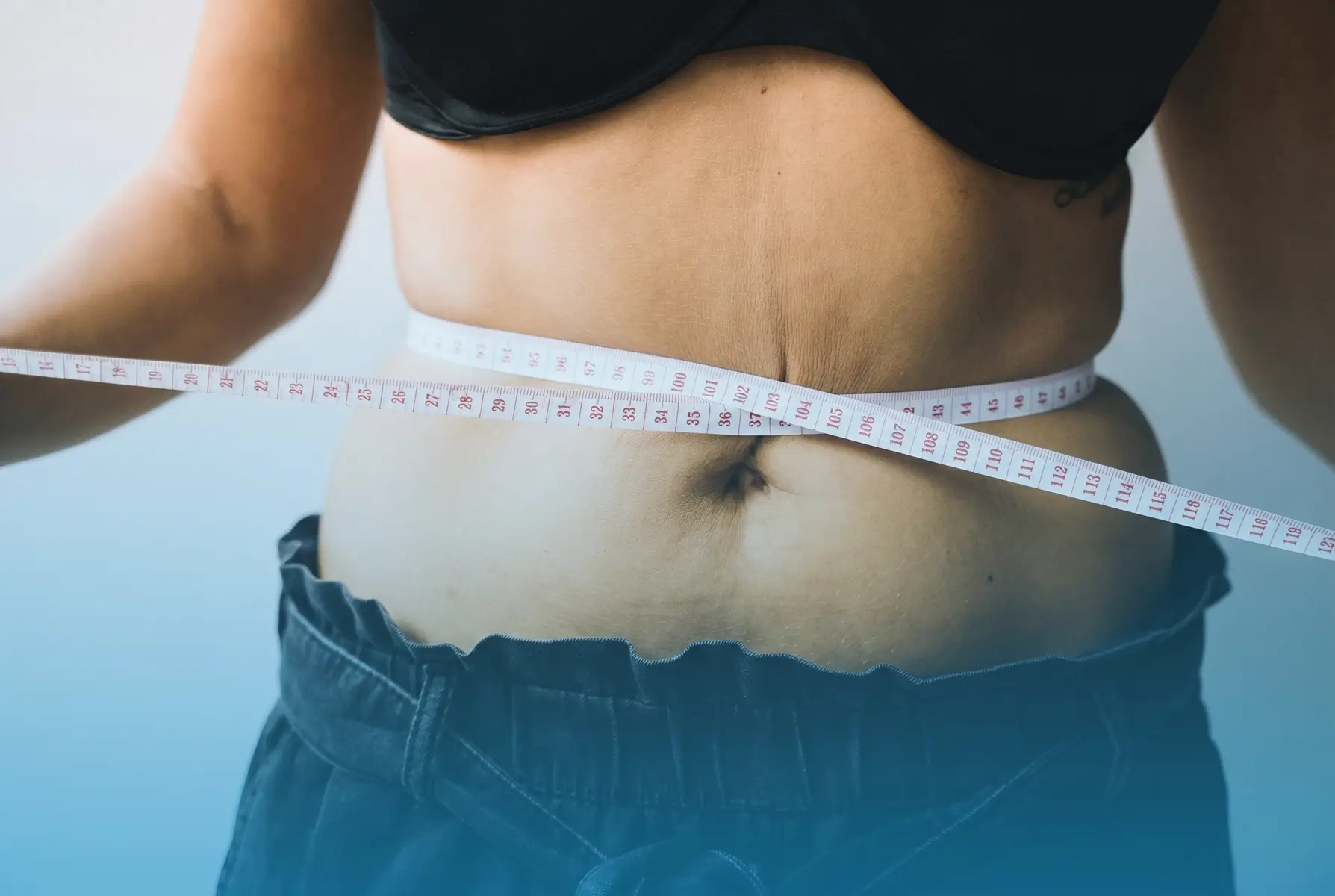
Are you in your 40s or 50s and noticing that your usual dieting tricks just aren’t working anymore? You’re not alone. Studies show that up to 70% of women experience unexpected weight gain during midlife, often centered around the abdomen, even when they maintain healthy habits. If the scale is creeping up and you’re asking yourself, “Why isn’t dieting enough?”—the answer often lies beyond calories and willpower.
The Real Causes: Beyond Calories and Exercise
Hormonal Shifts in Perimenopause and Menopause
From perimenopause through menopause, a woman’s body undergoes profound hormonal changes. Estrogen and progesterone levels decline, disrupting not only your cycle but also how your body stores and burns fat. Lower estrogen can mean increased abdominal fat and difficulty losing weight, even with diet and exercise. Symptoms of hormone imbalance—hot flashes, mood swings, low libido, sleep disturbances—often go hand-in-hand with stubborn weight gain.
Infographic: Common Hormonal Imbalance Symptoms—Night sweats, brain fog, decreased energy, irritability, unwanted weight gain, and more.
For more info: Weight Loss Free Consultation
Metabolism and Aging
With every passing decade after 30, your metabolism naturally slows, and you may lose muscle mass unless you actively work to preserve it. Less muscle means a slower calorie burn and more fat accumulation. Even those who exercise regularly may notice a shift in body composition. Visual: Pie chart of muscle vs. fat ratios at different ages.
Sleep Disturbances & Stress
Midlife is stressful—career shifts, family demands, and physical changes collide. Stress hormones like cortisol can raise blood sugar, prompt sugar cravings, and encourage fat storage around the belly. Sleep issues are also common during menopause, further disrupting the balance of hormones that control appetite and metabolism.
Genetics, Lifestyle & Other Underlying Factors
Your genetics play a role: if your mother or sisters experienced midlife weight gain, you might too. Sedentary lifestyles, certain medications (like antidepressants or steroids), and thyroid dysfunction are also contributors.
Health Implications: Why Belly Fat Matters
Extra abdominal fat in midlife isn’t just cosmetic. It’s known as visceral fat, which sits deep around your organs and increases the risk for heart disease, type 2 diabetes, and certain cancers. Beyond the physical, many women report loss of confidence and negative impacts on self-esteem—amplified by societal and age-related stigma. It’s important to remember: your health, not just your size, matters most.
Why “Eat Less, Move More” Isn’t Enough for Many Women
Dieting Plateaus and “Starvation Mode”
Severe calorie restriction in midlife can backfire, triggering your body to conserve energy and burn muscle rather than fat. Many women report hitting weight loss plateaus despite aggressive dieting. Excessive cardio and constant under-eating may actually slow metabolism further.
Limitations of Traditional Diets in Midlife
Women’s unique hormonal changes mean cookie-cutter diets often fail. Fiber and protein needs increase, while carbohydrate tolerance may decline. Emotional eating and cravings linked to sleep and stress are rarely addressed in traditional plans.
Read more:
A Modern, Individualized Approach: Hormone Optimization & Telehealth Solutions
Advances in hormone health have revolutionized midlife care. Personalized hormone optimization—including bioidentical estrogen, progesterone, and, for some, testosterone—addresses root causes behind stubborn weight. Research shows tailored hormone replacement therapy (HRT) can improve metabolism, reduce abdominal fat, restore sleep, and help you feel like yourself again.
Premier Hormone Health & Wellness offers nationwide, accessible care through secure telehealth visits. Our evidence-based programs include comprehensive lab testing, customized treatment plans, and direct ongoing access to expert providers—without leaving your home. Medications ship directly to your door for maximum privacy and convenience.
Real Patient Story: After years of yo-yo dieting and sleepless nights, Susan, a 52-year-old mother of two, worked with our team to optimize her hormones. Within months, she regained her energy, lost stubborn inches, and finally broke free from the “diet trap.”
Book a free telehealth consultation to learn about our solutions.
Actionable Strategies for Midlife Wellness
Nutrition for Midlife: What Works (and What Doesn’t)
- Emphasize protein (chicken, fish, legumes), healthy fats (olive oil, avocado), and plenty of colorful vegetables.
- Increase soluble fiber (oats, chia, berries) to help regulate blood sugar and satiety.
- Minimize added sugars, processed foods, and excess alcohol.
- Include omega-3s (from fish, flaxseed) for hormone health.
Movement & Strength Training
- Prioritize resistance/strength training 2–3 days per week to preserve muscle mass.
- Add moderate aerobic activity (walking, biking, swimming)—but avoid overdoing cardio.
- Start small; even 10–15 minutes daily makes a difference.
Read more: Which GLP-1 Is Best for Weight Loss?
Stress, Sleep, and Daily Practices
Chronic stress and poor sleep disrupt hormone function. Try mindfulness, meditation, and purposeful relaxation daily. Practice good sleep hygiene: limit screens before bed, keep a regular schedule, and aim for 7–9 hours nightly.
- Practice deep breathing exercises twice daily
- Avoid caffeine late in the day
- Create a calming bedtime routine
When to Seek Professional Help
If you’re struggling to manage midlife symptoms or weight on your own, it may be time for specialized support. Premier Hormone Health & Wellness provides complete lab testing, clear guidance, and an individualized plan—delivered privately by licensed providers over telehealth.
Breaking the Bias: Body Image, Emotional Wellbeing, and Setting Healthier Goals
Society often equates health with thinness, but midlife is the perfect time to redefine success. Focus on function (energy, strength, mood), not just scale numbers. Set intentions like “I want to hike with my grandkids” or “I want to sleep well” rather than unrealistic body goals. Body confidence and emotional wellness go hand-in-hand with physical health.
Related products:
FAQ: Midlife Weight Gain for Women
Can I lose belly fat after menopause?
Yes, but it often requires addressing hormone balance, muscle preservation, and stress management—not just dieting.
Is hormone therapy safe?
Hormone therapy is considered appropriate for many women when prescribed after a thorough evaluation and monitored by a licensed provider. Treatment is individualized, and regular follow-up helps ensure it remains effective and well-tolerated over time.
Will telehealth work for me?
Telehealth makes hormone therapy accessible, private, and convenient. Premier Hormone Health & Wellness provides nationwide care by licensed providers.
How do hormones impact weight?
They influence appetite, metabolism, and fat distribution—key factors in midlife weight changes.
When should I see a specialist?
If lifestyle changes aren’t helping, or if you have symptoms like fatigue, mood swings, or sleep issues, specialized hormone care may help you feel your best.