Methylene Blue Capsules: Benefits, Considerations & Expert Telehealth Guidance
What Are Methylene Blue Capsules?
Methylene blue is a compound with a long medical history—traditionally used to treat conditions like methemoglobinemia and as a diagnostic dye. Today, it’s gaining popularity in capsule form as a supplement, often marketed for brain health, cognitive function, and cellular vitality. But what sets capsules apart from tablets or liquids? Capsules typically allow for more precise, stable dosing, less taste, and are commonly used in both prescription and supplement preparations.
Before considering methylene blue capsules for any wellness purpose, it’s essential to understand the difference between approved medical uses and unregulated supplement claims.
Quick Decision Guide:
- – Considering methylene blue tablets for health optimization or anti-aging? Read on for risks, evidence, and smarter alternatives.
- – Always consult a healthcare provider before starting any new supplement—especially those with prescription uses or potential interactions.
How Do Methylene Blue Capsules Work?
Methylene blue works by helping red blood cells deliver oxygen to tissues. On a cellular level, it acts as an electron transporter, supporting mitochondrial function and acting as a mild monoamine oxidase inhibitor (MAOI).
In the supplement world, it’s touted as a “nootropic” (brain booster) for attention, mood, and energy, though evidence is still emerging. Some key points:
- FDA-approved use: Treats methemoglobinemia by restoring blood’s oxygen-carrying ability.
- Research-backed benefits: Early studies suggest potential cognitive, memory, and neuroprotective effects, though optimal dosing and clinical use are still being evaluated.
- Popular claims: Cognitive enhancement, anti-aging, mood support; most claims are not backed by strong clinical trials in healthy people.
Did You Know? Most nootropic and anti-aging claims for methylene blue come from preliminary animal studies or small, short-term trials, not large-scale human research.
Medical Uses vs. Off-label & Wellness Claims
Approved medical indications for methylene blue include:
- Methemoglobinemia (a rare blood disorder)
- Certain types of urinary tract procedures (as a dye)
Its use as a supplement—especially for brain health or anti-aging—is considered off-label and not FDA-regulated. Many commercial websites promote broad benefits without oversight. Always assess the evidence, not just hype:
- Cognitive benefits: Some interest, but no consensus or FDA approval for this purpose.
- Mood, longevity: Mostly unverified in humans; efficacy not well studied for these uses.
- Energy optimization: Mechanistic support, but lacking robust outcomes data.
Myth-buster: Methylene blue is not a proven cure or primary therapy for cognitive decline, Alzheimer’s, or anti-aging. Always discuss new supplements with your provider.
Are Methylene Blue Capsules Appropriate for Everyone? Risks and Considerations
When used under medical supervision, Methylene Blue may be well-tolerated for certain individuals. However, it carries important considerations and potential risks, particularly when obtained or used outside of professional guidance.
- Side effects: Blue or green urine/skin, headache, nausea, abdominal pain, diarrhea, dizziness
- Serious risks: Serotonin syndrome when combined with SSRIs or MAOIs (can be life-threatening)
- Drug interactions: Especially with antidepressants, psychiatric medications, G6PD deficiency, pregnancy—as well as numerous other drugs (full list: see clinical reference)
- Not safe for: Pregnant/breastfeeding individuals, children (unless directed by a doctor), those with certain blood or mental health disorders
Pharmaceutical grade capsules are manufactured under stricter quality controls than most “nootropic” supplements. Unregulated supplement versions may pose purity or dosing risks.
Absolutely Avoid If: You take SSRIs, SNRIs, other antidepressants, have known G6PD deficiency, or are allergic to methylene blue.
Choosing, Using, and Dosing Methylene Blue Capsules Responsibly
- Vetting brands: Look for USP grade, third-party testing, and prescription or pharmacy guidance over casual supplement sellers.
- Dosage: Varies by use—prescribed dosing for methemoglobinemia (typically much higher) versus supplement microdosing. Most evidence-based regimens require professional supervision.
- How to take capsules: Swallow with water; follow provider instructions about food, timing, and possible side effects (blue urine is common).
- Red flags: No testing data, abnormal coloration/smell, unclear labeling, no contact info for manufacturer/distributor.
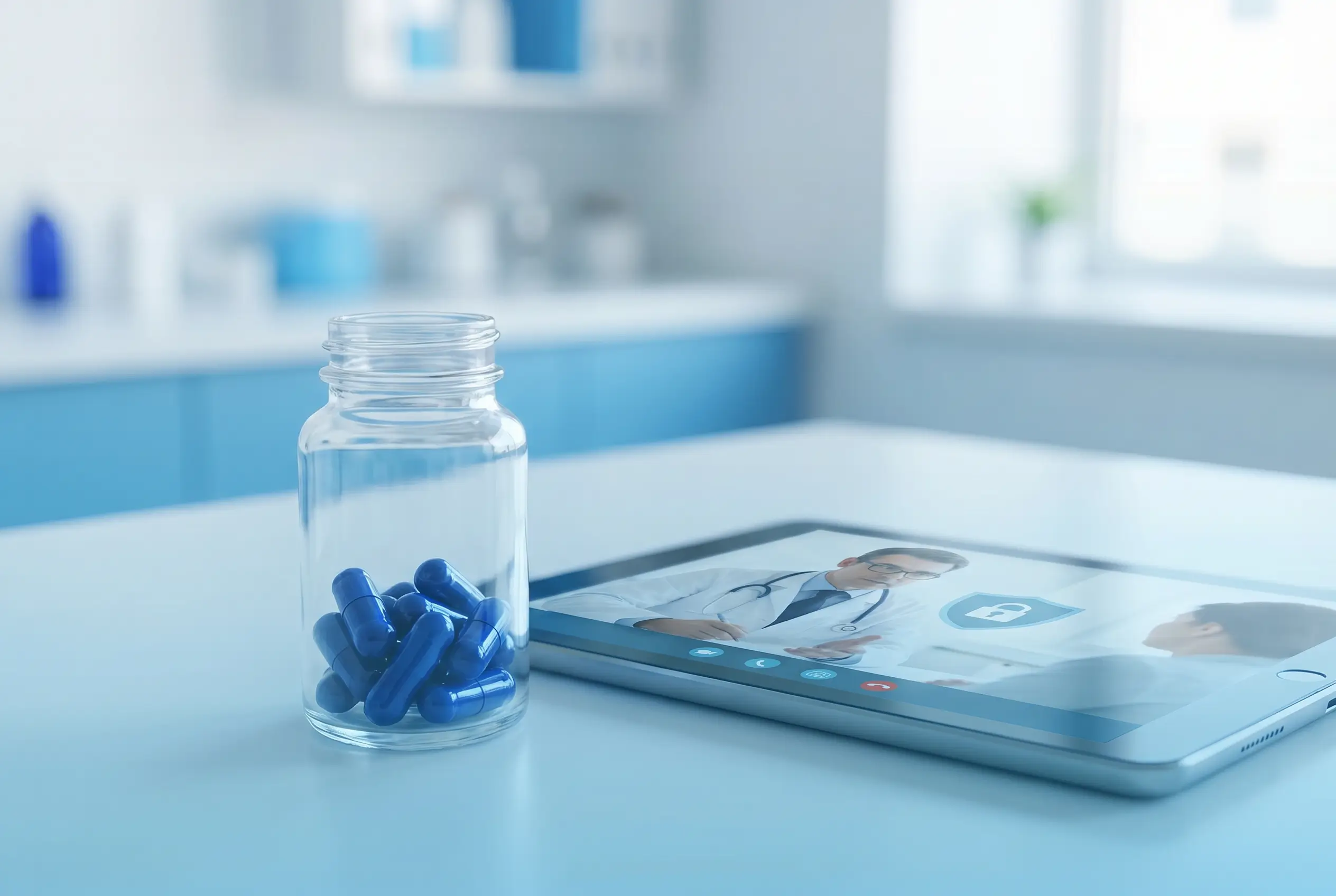
Telehealth Tip: For clinical oversight and effectiveness, consider consultation via secure telehealth with hormone and supplement experts—like Premier Hormone Health & Wellness—before starting methylene blue capsules.
Read more:
Should You Consider Methylene Blue Capsules for Hormone Optimization or Wellness?
Methylene blue has theoretical links to mitochondrial health and cellular energy—both important in hormone optimization and aging. However, standardized clinical protocols for these uses have not yet been fully established.
- May benefit (under guidance): Adults seeking cognitive or energy support and already working with a hormone health provider
- Should avoid: Anyone with medical contraindications, pregnant individuals, children, or those already on interacting medications
Example Scenario: “Jane, 52, is working with Premier Hormone Health & Wellness on age-related hormonal changes. After reviewing her labs and medications, her provider suggests mitochondrial support—but they decide against methylene blue due to a mild SSRI prescription, instead opting for safer alternatives. This partnership approach ensures optimal results and peace of mind.”
A personalized, medically supervised approach—such as the one offered by Premier Hormone Health & Wellness—reduces risk and maximizes opportunity for results.
Frequently Asked Questions about Methylene Blue Capsules
Are capsules better than tablets or liquids?
Often easier to dose and ingest, but efficacy depends on formulation—ask your provider which is best for you.
What are the common side effects?
Blue urine/skin, headache, stomach upset. Always notify your doctor of anything unusual.
Can I safely take Methylene Blue with antidepressants?
No. Methylene Blue may interact with certain antidepressants and increase the risk of a serious condition known as serotonin syndrome. Always consult a licensed healthcare provider before use if you are taking antidepressant medication.
Is it reliable to buy Methylene Blue online?
Methylene Blue should only be obtained through reputable, verified sources—preferably from a licensed pharmacy or your healthcare provider. Avoid purchasing from unverified or anonymous supplement websites, as product quality and purity may vary.
Will it really improve brain health?
Possibly, but evidence is limited and benefits are not guaranteed.
Why is my urine blue?
A harmless side effect—methylene blue is filtered by the kidneys and changes urine color.