Hormones influence nearly every major system in the body. Energy levels, metabolism, sleep quality, mood, libido, muscle mass, cognitive performance, and reproductive health are all closely tied to hormonal signaling.
When hormones become disrupted, the symptoms often develop gradually. Low energy starts feeling normal. Sleep becomes lighter and less restorative. Weight becomes harder to manage despite consistent habits. Motivation, recovery, and focus begin to decline.
The problem is that most online advice around hormone health oversimplifies the issue. Social media trends push “detoxes,” restrictive dieting, or quick-fix supplements that rarely address the underlying cause. Most people looking for how to balance hormones naturally are not searching for another trend. They are trying to understand why they no longer feel like themselves.
In reality, long-term hormone balance usually requires a combination of sustainable lifestyle habits, proper medical evaluation, and, in some cases, clinically guided treatment.
Hormone imbalances can affect multiple body systems simultaneously because hormones regulate metabolism, reproduction, mood, sleep, stress response, and overall physiological function throughout the body.
This guide breaks down what a hormonal imbalance actually means, common symptoms and causes, how to balance hormones naturally, and when hormone imbalance treatment may be appropriate.
What Is Hormonal Imbalance?
Hormonal imbalance happens when the body produces too much or too little of a hormone. Because hormones act as chemical messengers throughout the body, even relatively small changes can affect multiple systems at once.
Hormones like testosterone, estrogen, progesterone, cortisol, insulin, and thyroid hormones all play important roles in regulating physical and mental function. When these systems become disrupted, the effects can show up in ways that are subtle at first and progressively more noticeable over time.
Some hormonal changes are expected during different stages of life, including puberty, pregnancy, perimenopause, menopause, and aging. However, persistent symptoms may indicate an underlying issue that deserves medical attention.
Hormonal imbalance can affect both men and women and may be linked to chronic stress, poor sleep, nutritional deficiencies, metabolic dysfunction, aging, endocrine disorders, or certain medical conditions.
Common Symptoms of Hormonal Imbalance
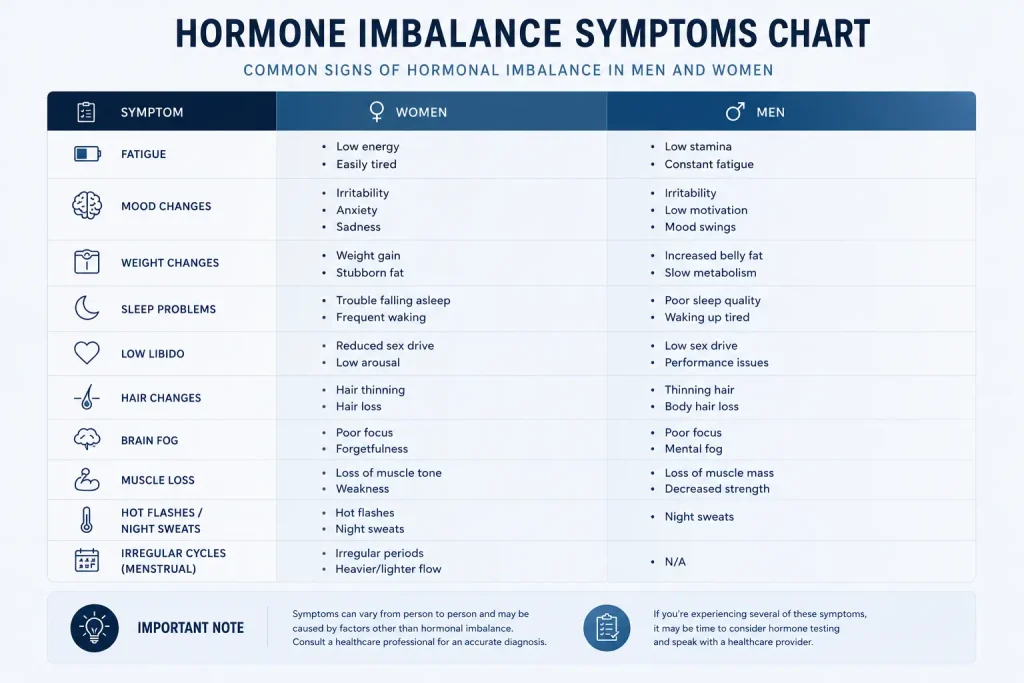
Hormonal imbalance symptoms vary depending on which hormones are involved, but certain patterns appear consistently.
Many people experience persistent fatigue, mood changes, poor recovery, brain fog, reduced libido, sleep disturbances, weight fluctuations, or difficulty maintaining muscle mass despite regular exercise and nutrition habits. Others may notice increased anxiety, irritability, hair thinning, hot flashes, irregular menstrual cycles, or changes in sexual performance.
In men, low testosterone levels are often associated with lower energy, reduced strength, decreased motivation, and slower recovery. In women, estrogen and progesterone fluctuations may affect metabolism, mood stability, sleep quality, and reproductive health.
Hormonal imbalance symptoms can affect energy, metabolism, sleep, mood, recovery, and overall quality of life.
Some of the most common signs of hormonal imbalance include:
Ongoing fatigue
Mood swings
Low libido
Brain fog
Weight gain or difficulty losing weight
Sleep disruption
Reduced muscle mass
Hair thinning
Hot flashes or night sweats
Irregular menstrual cycles
A review published in 2023 noted that hormonal changes associated with aging can significantly affect metabolism, body composition, and overall quality of life.
Because many hormonal imbalance symptoms overlap with stress, burnout, or aging itself, people often normalize these changes for years before seeking evaluation.
What Causes Hormonal Imbalance?
Hormonal imbalance rarely comes from a single source. In many cases, several lifestyle, environmental, and biological factors overlap.
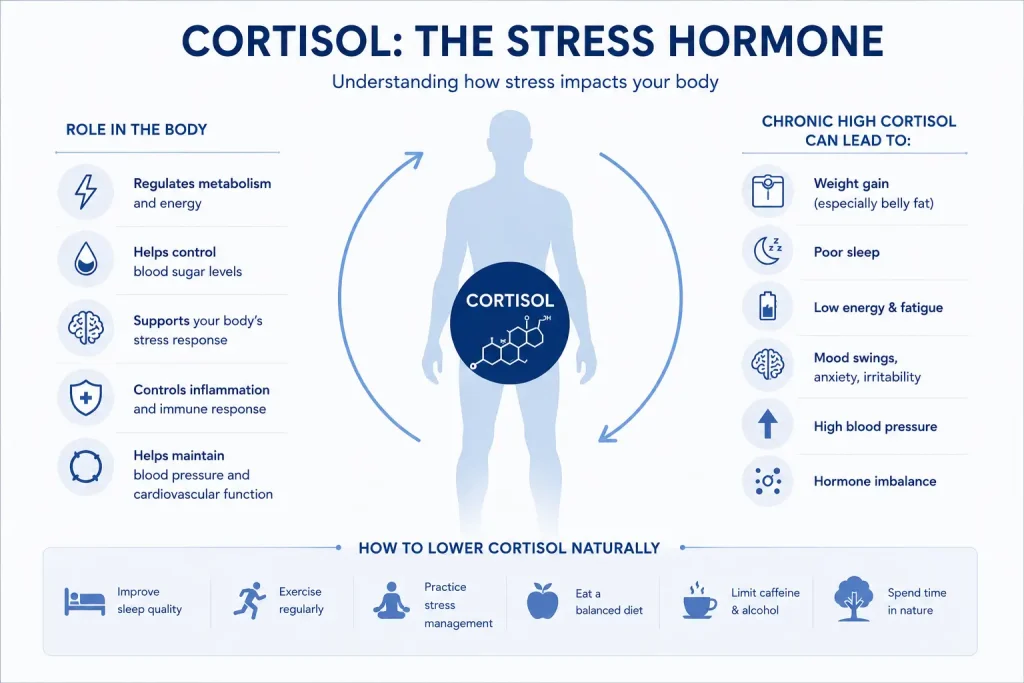
Chronic stress is one of the biggest contributors. Long-term stress can elevate cortisol levels, which may interfere with sleep, appetite regulation, insulin sensitivity, reproductive hormones, and energy production. Over time, constantly operating in a high-stress state can make it harder for the body to regulate hormonal systems effectively.
Nutrition also plays a major role. Diets high in ultra-processed foods and low in protein, fiber, and micronutrients can negatively affect blood sugar regulation, inflammation, and hormone production. Extreme dieting may also backfire by increasing stress hormones and slowing metabolic function.
Sleep quality is another major factor. Testosterone production, growth hormone release, insulin sensitivity, and cortisol regulation are all closely tied to sleep. Research published through the University of Chicago Medicine found that restricting sleep to five hours per night for one week reduced daytime testosterone levels in healthy young men by approximately 10–15%.
Aging naturally affects hormone production as well. Testosterone levels gradually decline over time in men, while women often experience significant hormonal fluctuations during perimenopause and menopause.
In some cases, medical conditions such as thyroid disorders, insulin resistance, PCOS, obesity, diabetes, or pituitary dysfunction may contribute to hormonal imbalance and require more targeted treatment.
How to Balance Hormones Naturally
Many people searching for how to fix hormones naturally are looking for realistic, sustainable strategies rather than extreme protocols. That approach tends to work better long term.
Hormonal health is heavily influenced by daily habits. While lifestyle changes may not completely resolve every hormonal issue, they often improve metabolic health, energy levels, recovery, sleep quality, and overall hormone regulation.
Nutrition for Hormone Health
Nutrition directly affects hormone production, inflammation, insulin sensitivity, and energy metabolism. A natural hormone balance diet typically focuses on adequate protein intake, fiber-rich foods, healthy fats, and minimally processed carbohydrates.
Many people searching for how to fix hormones naturally benefit more from improving dietary consistency and overall nutrient intake than from restrictive dieting trends or short-term cleanses.
Rather than chasing “hormone detox” trends, most experts recommend building meals around nutrient density, blood sugar stability, and long-term sustainability.
Best Foods for Hormone Balance
Some of the best foods for hormone balance include salmon, eggs, olive oil, leafy greens, berries, avocados, Greek yogurt, nuts, seeds, and lean proteins. These foods help support stable blood sugar levels, recovery, hormone production, and overall metabolic health.
Protein-rich foods, healthy fats, and fiber also tend to support satiety and energy regulation more effectively than heavily processed diets high in refined sugars and ultra-processed ingredients.
Exercise and Hormones
Regular movement supports insulin sensitivity, cardiovascular health, stress regulation, and hormone production. Resistance training, in particular, is often associated with improved testosterone levels, muscle maintenance, and metabolic function.
That said, more exercise is not always better. Excessive high-intensity training without proper recovery may increase cortisol levels and worsen fatigue over time.
The goal is usually consistency rather than exhaustion.
Sleep and Hormone Regulation
Sleep is one of the most overlooked aspects of hormone health. During sleep, the body regulates cortisol, testosterone, growth hormone, appetite hormones, and recovery pathways.
Poor sleep quality can affect everything from hunger levels to mood stability and cognitive performance. Most adults benefit from getting between seven and nine hours of quality sleep per night while maintaining a relatively consistent sleep schedule.
Stress Management and Cortisol Control
Chronic stress keeps the nervous system in a prolonged state of activation, which can gradually affect hormonal balance over time.
Stress management does not have to mean eliminating all stress completely. In most cases, it involves improving recovery capacity through better sleep, regular movement, time outdoors, mindfulness practices, reduced alcohol intake, and more intentional recovery habits.
Even relatively small improvements in stress management can positively influence cortisol regulation and overall energy levels.
Chronic stress and elevated cortisol levels can disrupt sleep, recovery, metabolism, and hormone regulation.
Gut Health and Hormones
Gut health also appears to play a role in hormone regulation. Emerging research suggests that the gut microbiome may influence inflammation, estrogen metabolism, and immune function.
Fiber-rich foods, hydration, fermented foods, and overall dietary quality can support digestive health as part of a broader hormone balance strategy.
Medical Treatments for Hormone Imbalance
Lifestyle changes can improve many hormonal imbalance symptoms, but they are not always enough.
When lifestyle adjustments alone do not produce meaningful improvement, hormone imbalance treatment may involve medically supervised therapies designed to address underlying deficiencies, metabolic dysfunction, or age-related hormonal decline. Treatment plans are typically individualized based on symptoms, lab testing, medical history, and long-term health goals.
Hormone Replacement Therapy (HRT)
Hormone Replacement Therapy is commonly used to help restore hormone levels in men and women experiencing clinically significant deficiencies.
Depending on the individual, treatment may involve testosterone, estrogen, progesterone, or combination hormone protocols designed around symptoms, lab work, and overall health goals.
The goal is not simply increasing hormone levels. It is restoring balance while monitoring safety markers, symptom response, and long-term health outcomes.
For women experiencing menopausal symptoms or hormone-related changes, estrogen imbalance treatment may include lifestyle modifications, hormone replacement therapy, progesterone support, or combination treatment plans depending on individual symptoms and lab findings.
Low testosterone can affect body composition, energy, recovery, libido, motivation, and cognitive performance. Testosterone therapy may be considered for individuals with clinically confirmed low testosterone levels and persistent symptoms.
Treatment plans are typically guided through lab testing, symptom monitoring, and individualized protocols rather than one-size-fits-all dosing.
Some individuals also explore performance-supportive compounds alongside hormone optimization, including:
Certain hormonal conditions may require medications targeting thyroid function, insulin resistance, fertility, or reproductive hormone regulation. The appropriate treatment depends on the underlying cause, not just the symptoms alone.
When to See a Hormone Specialist
If symptoms like fatigue, low libido, poor recovery, sleep disruption, mood changes, weight fluctuations, or irregular cycles persist despite lifestyle improvements, it may be worth seeking professional evaluation.
Comprehensive lab testing can help determine whether hormone levels are contributing to these symptoms and whether additional treatment options should be considered.
Natural vs Medical Hormone Balance: Which Is Right for You?
The conversation is often framed as HRT vs natural hormone balance, but for many people, the most effective approach combines both.
Lifestyle habits create the foundation for long-term hormone health. Nutrition, sleep, exercise, stress management, and recovery still matter even when medical treatment is used.
At the same time, lifestyle changes alone may not fully resolve clinically significant deficiencies or hormone-related conditions. Someone with severely low testosterone or significant menopausal symptoms may continue struggling despite optimizing diet and exercise.
Some people are able to balance hormones naturally through improved sleep, stress management, nutrition, and exercise alone. Others may require additional medical support, especially when clinically significant hormone deficiencies or endocrine disorders are involved.
The right approach depends on symptoms, lab work, medical history, and long-term health goals.
How to Test Your Hormone Levels
Because hormonal symptoms overlap with many other conditions, testing is important before starting treatment.
Hormone testing may include evaluating testosterone, estrogen, progesterone, thyroid markers, cortisol, insulin sensitivity, and other metabolic markers depending on the individual case.
Testing should always be interpreted alongside symptoms and overall health rather than viewed in isolation.
Hormone Optimization programs typically combine lab analysis, symptom review, and personalized treatment planning to build a more complete picture of hormonal health.
Final Thoughts: Building Long-Term Hormone Health
Balancing hormones is rarely about one supplement, one diet, or one quick fix.
Long-term hormone health usually comes from improving the systems that influence recovery, metabolism, sleep, stress regulation, and overall physiological balance. For some people, lifestyle adjustments create significant improvement. For others, medically supervised treatment becomes an important part of restoring quality of life and daily function.
The key is approaching hormone health realistically and sustainably rather than chasing extreme protocols or short-term trends.
If you are experiencing persistent symptoms of hormonal imbalance, a professional evaluation can help determine whether lifestyle changes, hormone therapy, or a combination of both may be appropriate.
FAQs
What is the fastest way to balance hormones?
The fastest approach depends on the underlying cause. Improving sleep, nutrition, stress management, and exercise can help, but some individuals may require medically supervised hormone imbalance treatment.
Can hormones be balanced naturally?
In many cases, lifestyle changes like improved sleep, better nutrition, stress reduction, and regular exercise can support hormone regulation naturally.
What are the signs of hormone imbalance?
Common signs of hormonal imbalance include fatigue, mood changes, low libido, sleep disruption, brain fog, weight fluctuations, and reduced recovery.
When should I see a doctor for hormone imbalance?
You should consider a medical evaluation if symptoms persist, worsen, or interfere with daily life despite healthy lifestyle changes.
Is hormone therapy safe?
Hormone therapy can be safe when prescribed appropriately and monitored by qualified medical providers using individualized treatment plans.
This content has been medically reviewed by Kathleen Mishak : Nurse Practitioner